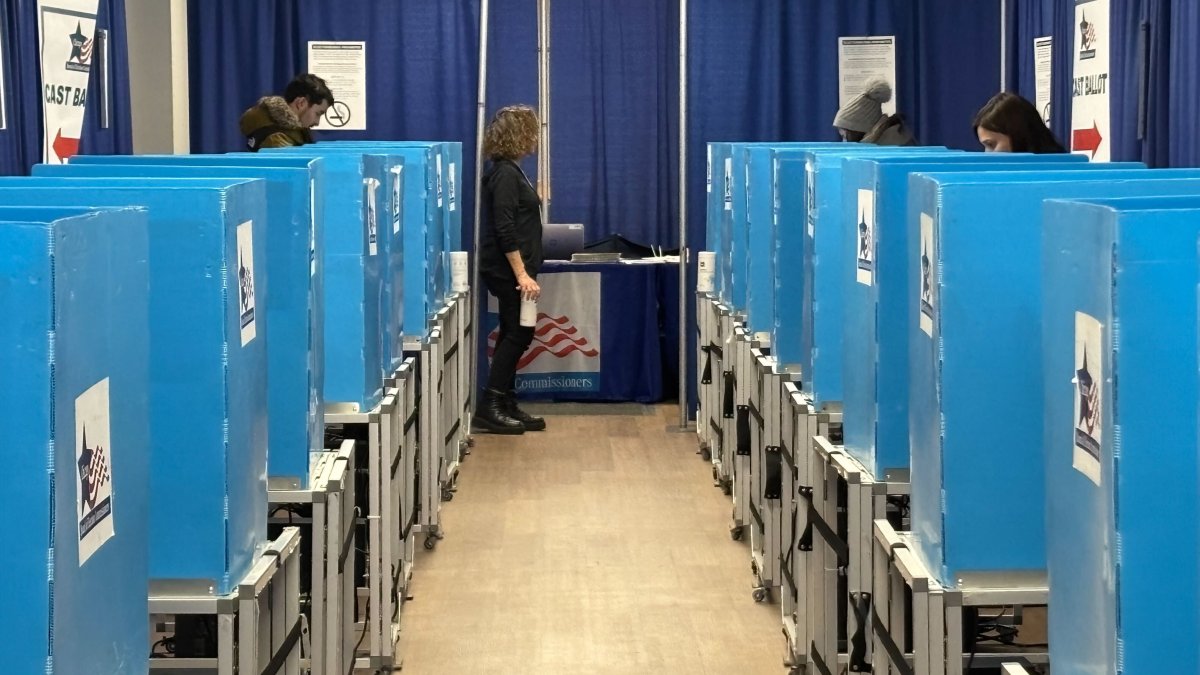
Setting the Stage for Illinois Election Night: Unpacking the Results
As election seasons unfold, the Prairie State consistently emerges as a critical battleground and a bellwether for national political trends. Tracking Illinois Election Results offers a deep dive into the state's unique political landscape, revealing the dynamics behind its choices for governor, congressional seats, and crucial ballot measures. From high-stakes gubernatorial contests to closely watched legislative races, the outcomes in Illinois have far-reaching implications, not just for its residents but also for the national political discourse.
Historically, Illinois has shown a fascinating dichotomy: a reliably Democratic leaning in presidential elections, yet often a more nuanced and competitive environment in down-ballot races. This complex political identity ensures that every election cycle is packed with drama, significant spending, and intense campaigning. This article provides a comprehensive overview of what to expect when following Illinois election results, highlighting key races, historical precedents, and the factors that shape the state's political future.
The Governor's Race: A Recurring Battle of Titans and Big Money
The race for the Illinois governorship frequently captures the most attention, often characterized by monumental spending and fierce ideological clashes. These contests are not merely about policy; they often become referendums on leadership styles, fiscal management, and the state's direction.
A prime example of this intensity was the 2018 gubernatorial election, which pitted Republican incumbent Governor Bruce Rauner against Democratic billionaire heir and businessman J.B. Pritzker. Following a primary campaign that exposed deep divisions within both major parties, Pritzker emerged victorious, setting the stage for one of the most expensive gubernatorial races in U.S. history. Both candidates, possessing vast personal wealth, poured tremendous sums into their campaigns, illustrating how big money battles can truly define key races in Illinois. Rauner, who had alienated voters across the political spectrum during his rocky term, faced a formidable challenge, and the eventual outcome marked a significant shift in the state's executive leadership.
Looking ahead, the gubernatorial landscape continues to promise high drama. Democratic Governor J.B. Pritzker, having secured multiple terms, is widely seen as a significant figure on the national stage, with whispers of a potential presidential campaign in 2028. This long-term ambition, however, first requires him to navigate future challenges at home. For instance, the Democratic Primary for the 2026 gubernatorial election saw Pritzker successfully win his party's nomination. On the Republican side, voters again chose Darren Bailey, giving him another shot after his prior loss to Pritzker in 2022. This rematch sets the stage for what is expected to be another intensely watched and heavily funded contest, underscoring the enduring significance of this office. For more detailed insights into the upcoming gubernatorial race, you can read about Illinois Governor 2026: Pritzker Aims for Third Term Against Bailey.
Congressional Showdowns: House and Senate Dynamics in the Prairie State
Beyond the governor's mansion, Illinois plays a vital role in shaping the U.S. Congress, with its delegation contributing significantly to both the House of Representatives and the Senate. While the state's overall Democratic lean often provides a solid base for its senators, House districts can be much more competitive and reflective of local demographics and shifting political tides.
Historically, even in a state that leans Democratic in presidential contests, Republicans have held a notable number of congressional districts. For example, in 2018, Republicans controlled seven of Illinois's 18 congressional districts. This dynamic highlights the importance of detailed voter analysis and strategic campaigning in specific areas. Democrats often see opportunities to flip these seats, leading to hotly contested races where every vote counts. The primary season itself can be tumultuous, often revealing "fissures" and "bitter disputes over money, race, and what it means to be a Democrat," as well as "reckoning with litmus tests and party values" on the Republican side.
The boundaries of congressional districts, determined through a often-controversial redistricting process, can dramatically influence election outcomes, creating competitive "swing" districts or solidifying partisan strongholds. Following Illinois Election Results for the House means keeping an eye on these specific districts, observing how local issues, candidate personalities, and national political currents intertwine to sway voters. Senate races, while fewer in number, represent statewide contests that can influence the balance of power in Washington and are often viewed as indicators of the state's broader political mood.
Beyond the Top Races: Ballot Measures and Local Impact
While gubernatorial and congressional races typically grab headlines, a comprehensive look at Illinois Election Results also requires attention to other crucial contests and proposals that directly affect residents' daily lives. These include state legislative races, county and municipal elections, judicial contests, and, significantly, ballot measures.
- Ballot Measures: These direct democracy tools allow voters to weigh in on proposed constitutional amendments, bond issues, tax changes, and various policy initiatives. The outcomes of ballot measures can have immediate and tangible impacts, from funding infrastructure projects to altering statewide laws. Carefully tracking these results provides insight into public sentiment on specific issues, often transcending traditional party lines.
- State Legislature: Races for the Illinois State Senate and House of Representatives are fundamental. These individuals draft and vote on state laws, control the state budget, and oversee government agencies. Their elections determine the legislative agenda and can significantly influence the governor's ability to enact policies.
- Local and Judicial Elections: County board members, mayors, city council members, school board members, and judges are elected at the local level. While these races may not receive national media attention, their outcomes directly shape local communities, schools, law enforcement, and the justice system.
Understanding the full scope of Illinois's electoral landscape means appreciating that democracy is built from the ground up, with each race, big or small, contributing to the overall governance and direction of the state. Election night logistics are also important: polls typically close at 8 p.m. Eastern Time, though early voting often begins weeks prior, as it did on February 8th in 2018, giving voters ample opportunity to cast their ballots.
Understanding the Electoral Landscape and What to Watch For
Successfully navigating Illinois Election Results requires an understanding of the state's unique political terrain and knowing what indicators to look for as returns come in. Illinois is often described as a "blue state" due to its consistent support for Democratic presidential candidates. However, this label doesn't always reflect the underlying complexities, particularly in down-ballot races and historically in certain congressional districts.
Tips for Following Election Night:
- Early Voting vs. Election Day Turnout: Pay attention to the proportion of votes cast early versus on Election Day. Different voting methods can sometimes favor different demographics, influencing the initial wave of results.
- Key Counties and Swing Districts: Identify bellwether counties or particularly competitive congressional districts. Early returns from these areas can often provide clues about the broader statewide trends. For example, suburban collar counties around Chicago are often pivotal.
- Party Strength in Primaries: As observed in past primaries, significant voter turnout or unexpected results in primary elections can indicate enthusiasm or dissatisfaction within a party, signaling potential challenges or advantages for the general election.
- Impact of Fundraising: The "big money" aspect of Illinois politics, particularly in gubernatorial races, means that campaign finance reports offer insights into candidate viability and organizational strength. Candidates with substantial financial backing can dominate advertising and outreach.
- Ballot Measure Performance: Observe how ballot measures perform. Strong support or opposition to specific proposals can sometimes reflect voter sentiment that might spill over into candidate choices.
The outcome of elections in Illinois is a complex interplay of candidate personalities, policy debates, campaign finance, and national political headwinds. The state's elections are a testament to the dynamic nature of American democracy, reflecting a constant evolution of voter preferences and party alignments.
Conclusion: The Road Ahead for Illinois Politics
The journey through Illinois Election Results is a fascinating exploration of a state that is both firmly rooted in its political traditions and constantly evolving. From the high-octane, big-money battles for the governorship, exemplified by past contests like Rauner vs. Pritzker and anticipated future rematches like Pritzker vs. Bailey, to the intricate dynamics of congressional and local races, every election cycle reveals new layers of the state's political identity. The ability to track and analyze these results, understanding the nuances of early voting, poll closures, and the impact of ballot measures, empowers citizens and observers alike to grasp the full scope of democratic participation.
As Illinois continues to play a significant role in both state and national politics, the eyes of the nation will undoubtedly remain on its electoral processes. The insights gained from past and present elections not only help us understand the current political climate but also forecast the future trajectory of one of America's most pivotal states.